I "Leak" When I Laugh
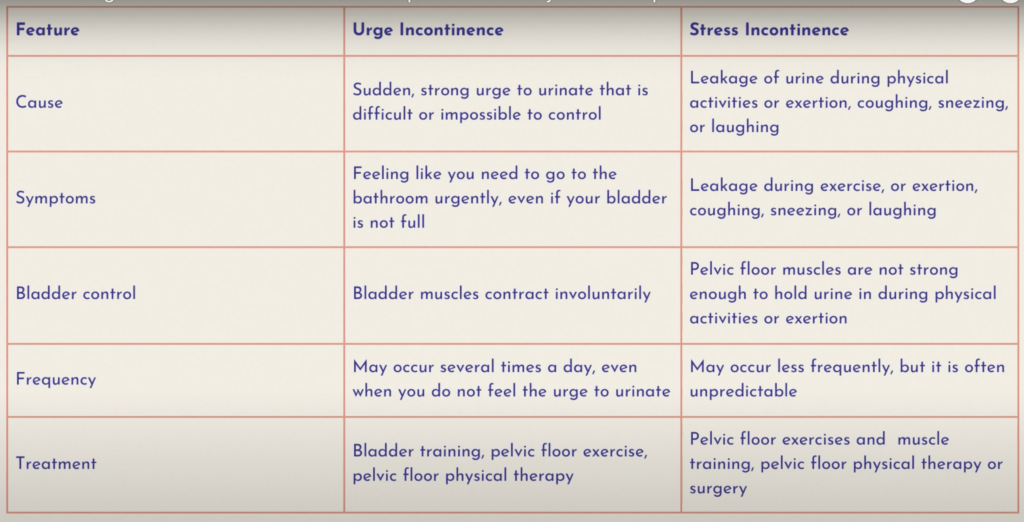
This problem influences both men and women of any ages, though it's most common in children. Anxiety incontinence creates tiny leaks throughout coughings or sneezes due to constantly weak pelvic flooring muscular tissues. Giggle incontinence creates abrupt, full bladder emptying throughout giggling as a result of a brain response that momentarily shuts down bladder control. It's a typical experience for many ladies-- about one in three, actually.- Electric stimulation makes use of moderate electrical currents with a small probe (vaginal for ladies, rectal for guys) or exterior pads to make your pelvic floor muscles contract immediately.While surgical procedure can be very efficient, the outcomes aren't long-term-- the majority of people require to duplicate the treatment as they age.Usage kGoal's biofeedback to understand correct Kegels, boost bladder control, and reduce laugh leakages with steady training.She thinks that everyone is worthy of accurate, shame-free health details-- and that excellent content requires both experience and humanity.Aeroflow recommends consulting your healthcare provider if you are experiencing medical issues relating to incontinence.
Lasting Treatment
Do you leakage a bit of urine when you sneeze, laugh or lift something? This is called stress and anxiety urinary incontinence (SUI)-- and you do not need to Go to this website cope with the spontaneous output. In the video over, Dr. Kathleen Kobashi, urologist at Houston Methodist, shares why SUI takes place and how your care group can assist. Use kGoal's biofeedback to grasp appropriate Kegels, boost bladder control, and lower laugh leakages with consistent training.
Life Stories Program
Researches of nonpharmacologic interventions (psychophysiological feedback and Kegel exercises) and medicine treatment (oxybutynin plus timed nullifying and miles per hour) were explained. You may notice an enhancement from Kegels in around 6-- 12 weeks if you perform them appropriately. Nevertheless, just how quickly you see outcomes depends upon the strength of your pelvic floor muscular tissues.
You can use this technique for any situation (sneezing, laughing, blowing your nose, straining throughout exercise, and so on) that boosts abdominal pressure. SUI happens when the muscle mass and cells supporting your bladder and urethra end up being weak or harmed. When you cough, laugh, sneeze, or exercise, stomach stress boosts. Usually, the pelvic flooring muscles and urethral sphincter agreement to stop leak.And contrary to popular belief, it's not a regular component of aging or an inevitable repercussion of giving birth. Other sorts of urinary incontinence include impulse incontinence, overflow urinary incontinence, and combined incontinence. Anxiety urinary incontinence prevails, yet that doesn't mean it's normal or something you just have to manage.
Other causes include excessive weight, which puts included pressure on the bladder, or problems like chronic coughing or irregular bowel movements. Also heavy lifting or difficult workout can contribute to stress urinary incontinence by damaging the pelvic muscles over time. There are a number of reasons stress incontinence might take place. During pregnancy, the growing uterus can put additional pressure on the bladder, and giving birth can extend or harm the pelvic floor muscular tissues. Remember that giggle urinary incontinence frequently occurs along with over active bladder symptoms. Dealing with the underlying bladder overactivity via timed bathroom trips and pelvic floor sychronisation usually settles the giggle leakages, too.
